
Why are statues so often missing their noses?
A missing nose may be the result of a fall, the passing of time — or a very deliberate act. Every statue has its own story.
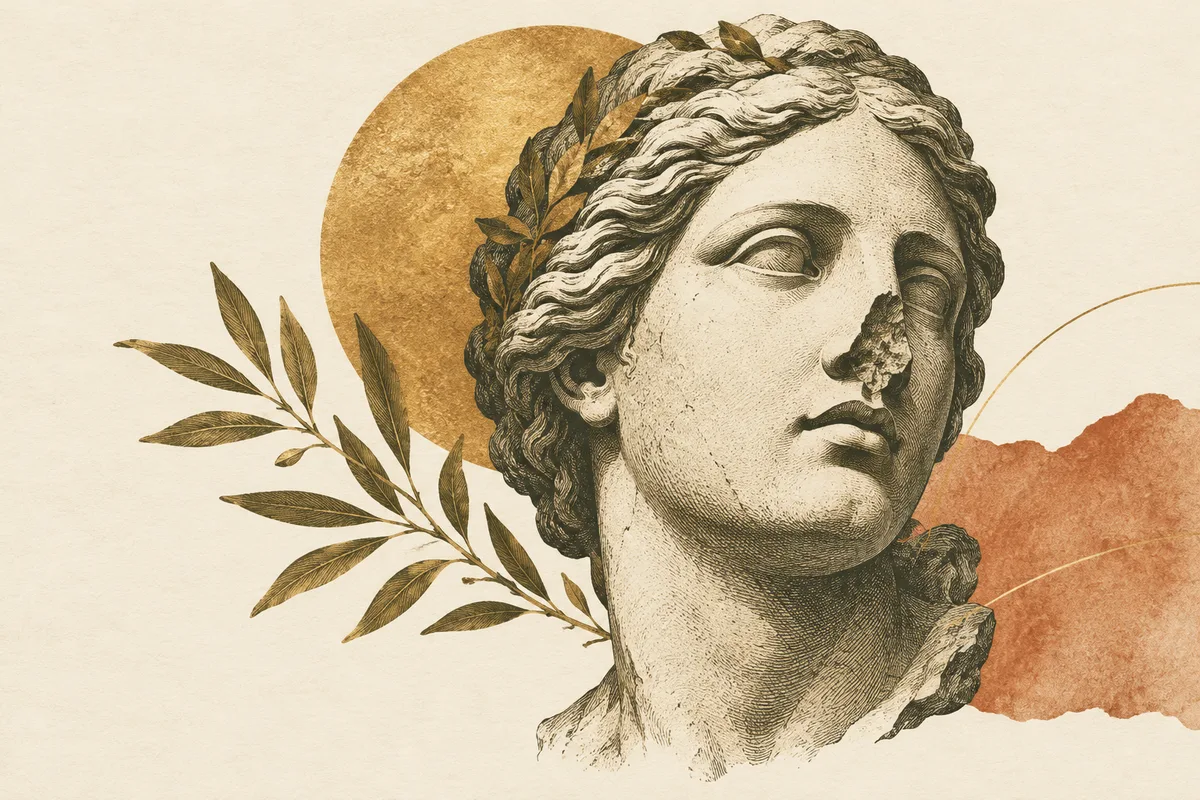
In a museum, we soon get used to missing pieces: a hand here, a nose there. Yet an absence can tell us as much as what survives.
Not all damage tells the same story
The projecting parts of a sculpture are vulnerable. A break during a fall or a move is one possible explanation, but a missing nose alone cannot tell us what happened. The material, the place where the object was found and the other traces all need to be considered together.
When destruction was a message
Striking Power, an exhibition organised by the Brooklyn Museum, examines deliberate damage to ancient Egyptian images for political, religious and criminal purposes. Damaged inscriptions and particular parts of the body can reveal a pattern quite different from an accidental break.
According to the museum research presented, ancient Egyptians regarded some images as possible dwellings for a deity or a soul. Damaging certain parts could be understood as cutting off the image’s power. This explanation belongs to a particular cultural context; it is not a universal answer for every statue.
The most interesting question is: which statue?
An Egyptian relief, an ancient bust and a contemporary sculpture do not necessarily share the same reason for a missing nose. Looking into the history of the individual object is more useful than gathering every break into one legend. Next time, look at the inscriptions, the eyes and the crown too. A small absence can open up a big conversation.
Sources
More stories

How did coffee become a reason to get together?
Sometimes the cup is only the beginning. The story of the coffeehouse is also the story of conversations we make time for.
Read the story ↗
“I’m only going out for a coffee” — and other optimistic plans
One coffee. Twenty minutes. No detours. The plan sounded excellent, right up until we left the house.
Read the story ↗