

How did coffee become a reason to get together?
Sometimes the cup is only the beginning. The story of the coffeehouse is also the story of conversations we make time for.
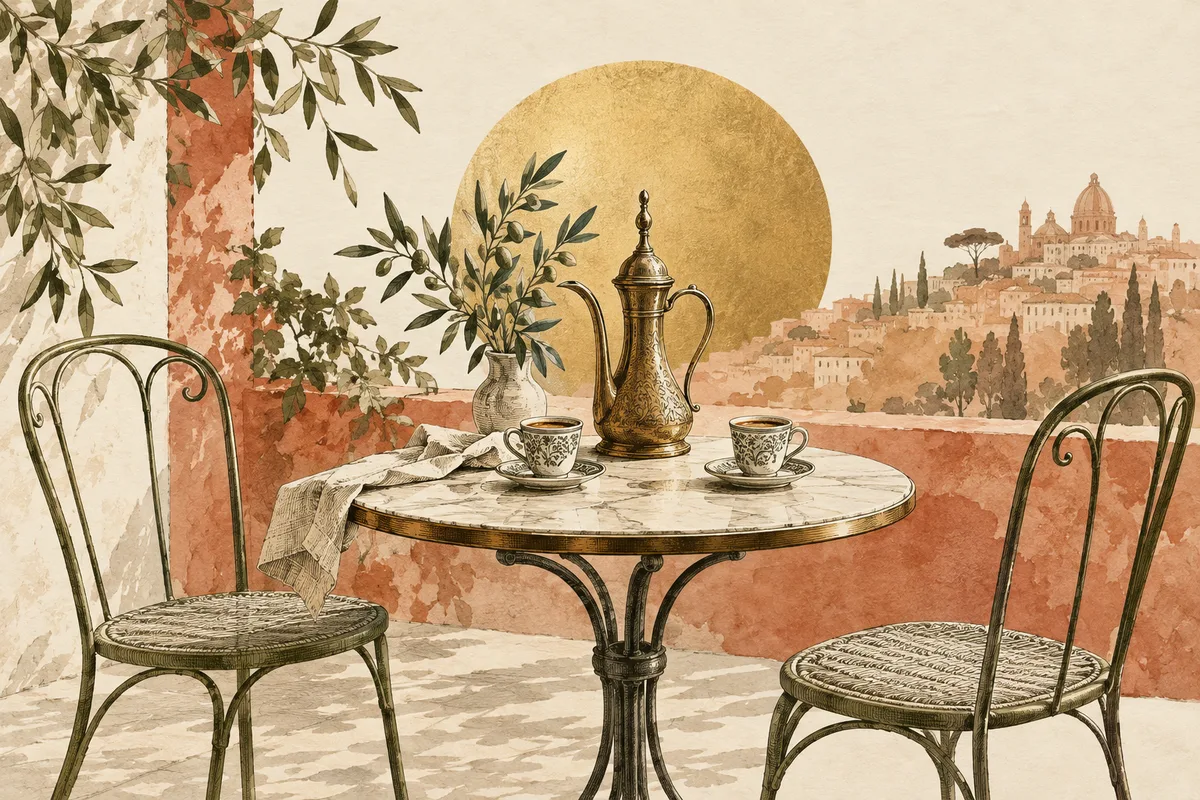
“Let’s have a coffee” rarely means simply comparing two drinks. It can be an invitation to meet, to take a break or to have a conversation that will not fit into a message. That connection has a long history — and more than one route.
Before the European café
In the university project Khamseen, art historian Farshid Emami traces coffee as a hot drink in Yemen in the fourteenth or fifteenth century and its spread beyond the Arabian Peninsula in the sixteenth. Coffeehouses multiplied in the eastern Mediterranean under Ottoman rule. In the seventeenth century, the drink also reached Safavid Iran.
The study considers Aleppo, Istanbul and Isfahan as distinct urban settings. The coffeehouse was a new place for social interaction, rather than simply a counter serving drinks. That does not mean every gathering or every coffeehouse looked the same.
A different route, a different fashion
The Metropolitan Museum of Art describes a separate French context: the reception of the Ottoman envoy at the French court in 1669 helped make coffee fashionable in France. This was one particular episode in the adoption of the drink, not the sole beginning of European coffee culture.
The invitation remains
Today, we can pick up a takeaway coffee and speak to no one. Or we can sit across from a friend and let the cup go cold. History gives us context; how we spend those twenty minutes is up to us.
Sources
More stories
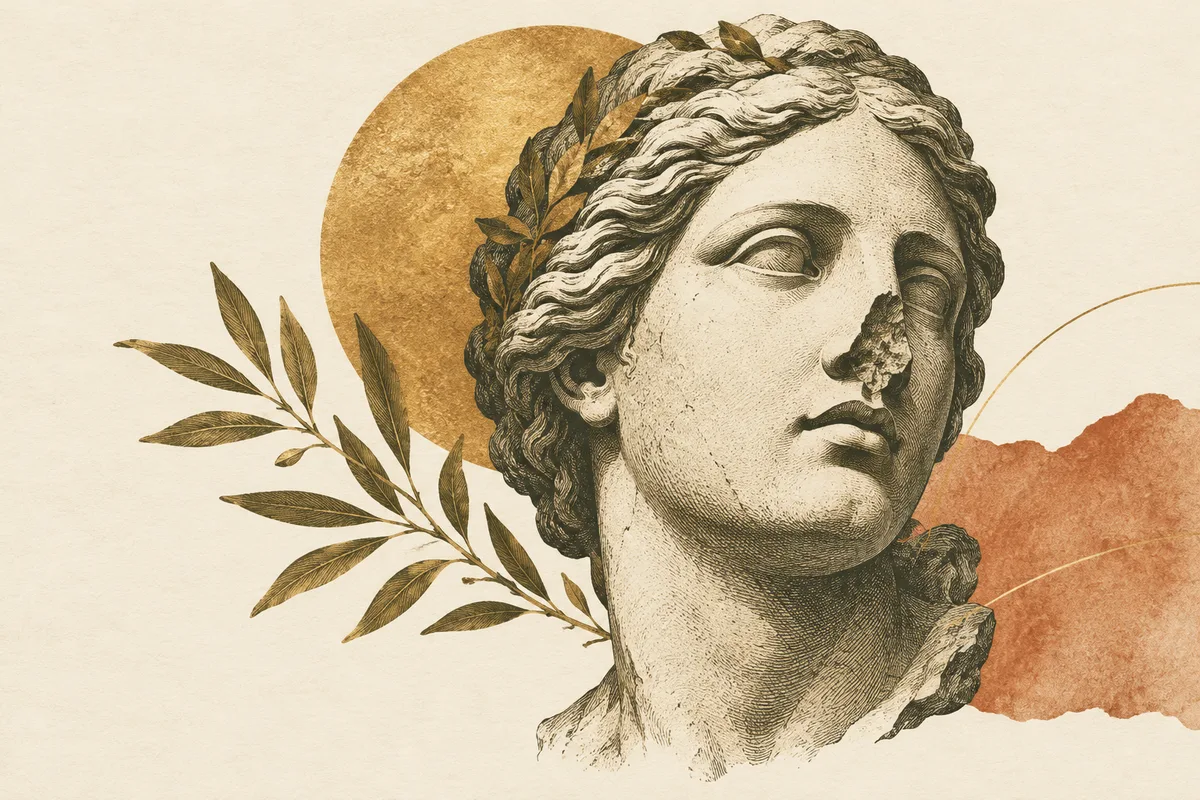
Why are statues so often missing their noses?
A missing nose may be the result of a fall, the passing of time — or a very deliberate act. Every statue has its own story.
Read the story ↗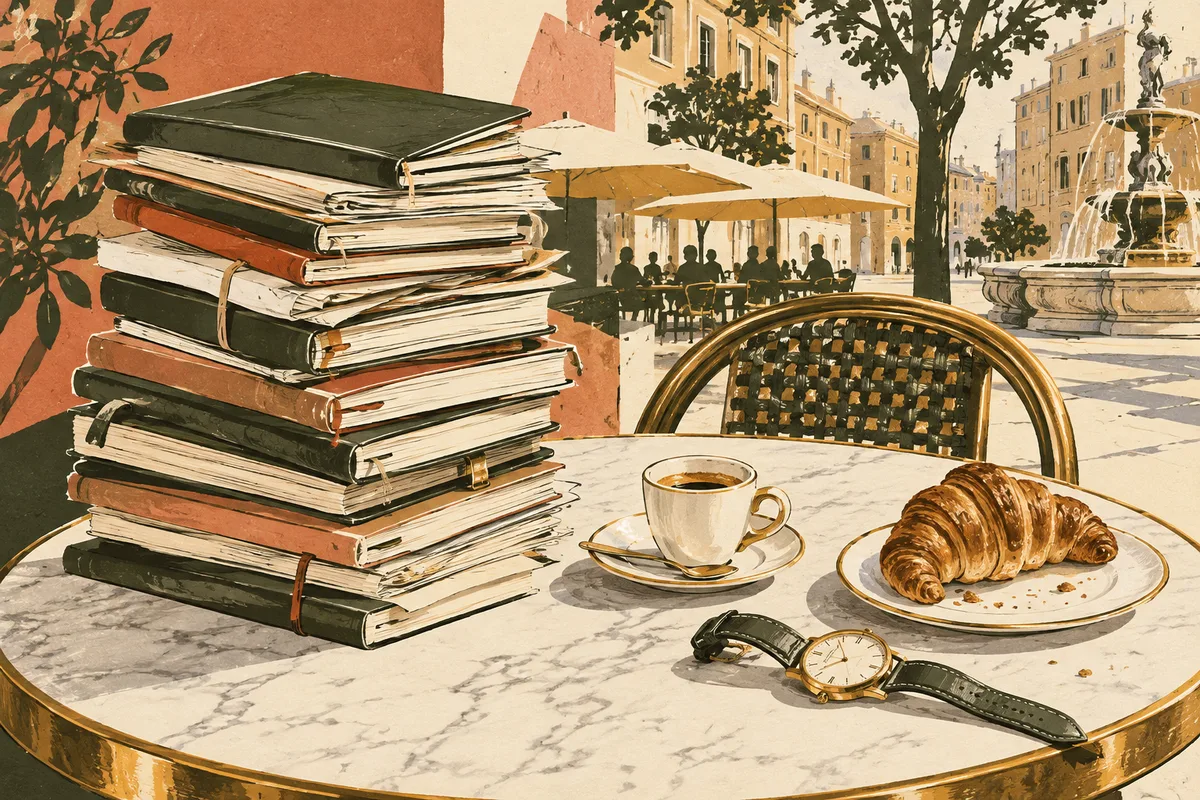
“I’m only going out for a coffee” — and other optimistic plans
One coffee. Twenty minutes. No detours. The plan sounded excellent, right up until we left the house.
Read the story ↗